
.jpg)
In many pipeline systems, isolation is commonly achieved using standard valves such as gate, globe, or ball valves. For routine operations, this approach works well. However, when it comes to maintenance or emergency isolation — especially in systems handling hazardous or high-temperature media — relying solely on a standard valve may not always be sufficient.
A Real Incident
Consider one project where a maintenance team needed to isolate a section of pipeline for routine repair. They shut off a ball valve that was presumed to provide a tight seal. To their surprise, they observed minor leakage even after the valve was fully closed. The leak was small but persistent, raising immediate safety concerns.
After thorough investigation, the issue was traced to seat wear inside the ball valve. Over time, the sealing surface had degraded due to cycling, particle ingress, or thermal expansion — a common but often overlooked failure mode. The valve still functioned for flow control, but it could no longer guarantee zero leakage during maintenance.
What Changed?
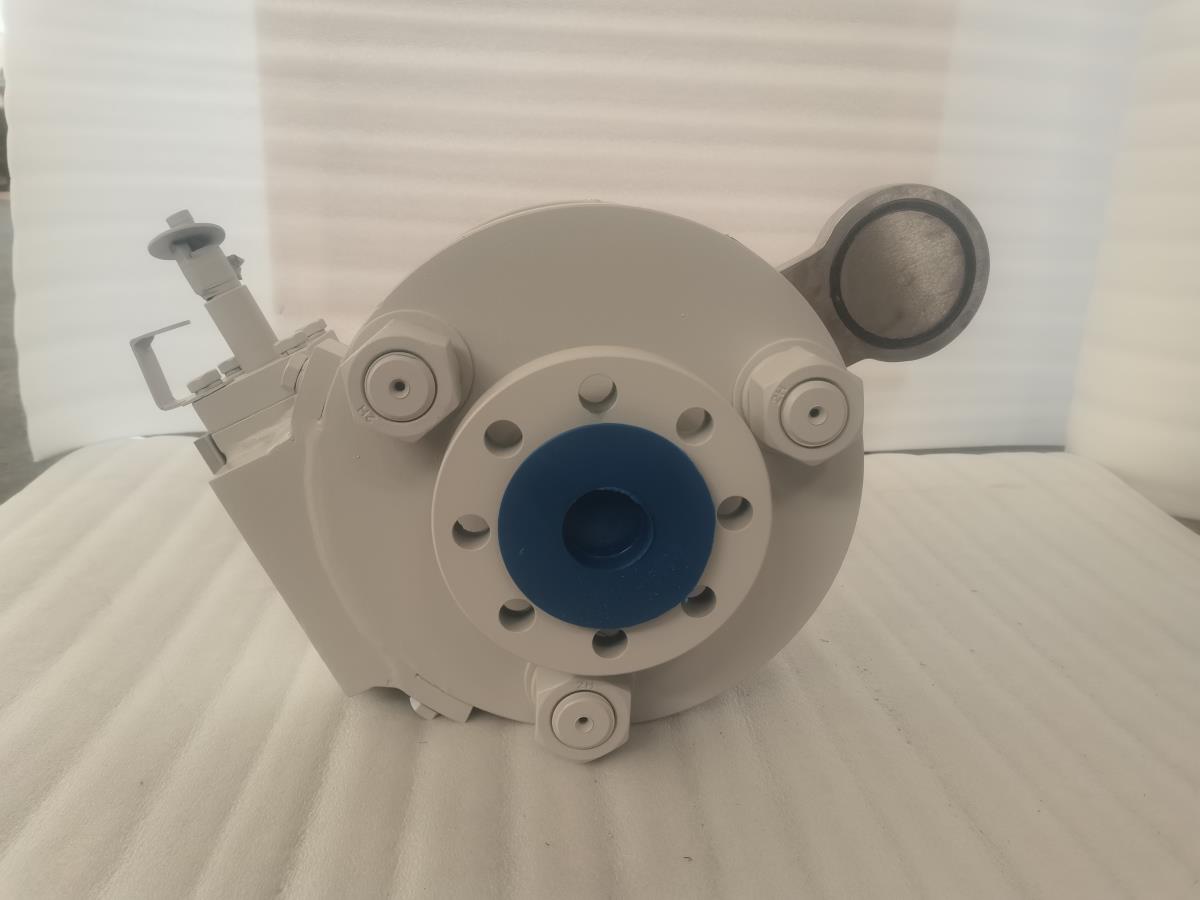
The team realized that for critical isolation, they needed more than just a valve’s sealing capability. They upgraded the system with a blind isolation design — typically a spectacle blind or line blind — which physically blocks the pipeline with a solid metal plate.
This simple but effective change eliminated the risk of internal leakage. Unlike a valve, a properly installed blind does not rely on moving parts or soft seats. It provides absolute isolation, giving maintenance personnel confidence to work safely downstream.
Practical Insight
If your pipeline system involves hazardous, toxic, flammable, or high-temperature media, relying on sealing alone may introduce unnecessary risks. A standard valve can degrade over time, and even a small leak can lead to major safety or environmental incidents.
In such cases, it is worth consulting an experienced industrial valve supplier before finalizing the design. They can help evaluate:
Whether a double-block-and-bleed (DBB) valve arrangement is sufficient, or if a blind isolation is required
The expected lifecycle of valve seats under your specific operating conditions
Compliance with industry standards (e.g., API, ASME) for isolation during maintenance
Conclusion
Valves are convenient, but not infallible. For critical maintenance isolation, consider going beyond standard practices. A blind isolation design adds a layer of physical certainty that no valve can match. And when in doubt, involve a knowledgeable supplier early — it’s a small step that can prevent costly shutdowns and protect lives.